How to Prepare for Your Portrait Session
What to Expect Before Your Portrait Session
Getting ready for a session does not have to feel overwhelming. You do not need to show up knowing how to pose, what to do with your hands, or how to “perform” for the camera. I’ll guide you through the process.
This guide is here to help you feel prepared, comfortable, and taken care of before your session.
A Few Days Before Your Session
Start with the basics. Drink plenty of water in the days leading up to your session, especially if we’ll be photographing outdoors in the Florida heat. Hydration can help your skin look more refreshed and help you feel better overall.
Use chapstick or lip balm regularly before your session. Dry or cracked lips can show up more than expected in close-up portraits, so this small step can make a real difference.
You may also want to create a simple inspiration or mood board. This can be a Pinterest board, saved Instagram posts, screenshots, colors, poses, outfits, or images that show the feeling you’re drawn to. We do not need to copy anything exactly. It simply helps us understand the direction and overall mood you want.
You can also make a short shot list if there are specific photos you know you want. This is helpful for must-have poses, important details, family combinations, branding images, pet portraits, or anything meaningful you do not want missed.
A Few Details That Can Help
These are not rules or requirements — just small things that can help your images feel a little more polished and keep the focus on you.
Wear something that feels like you, while still matching the feeling you want from your session. Soft neutrals, earthy tones, simple patterns, textures, and layers usually photograph beautifully. Larger logos, neon colors, or very busy patterns can sometimes pull attention away from your face, so it may be worth avoiding those if you want a softer, more timeless look.
If your clothing wrinkles easily, steaming or ironing beforehand can help. A lint roller can also be useful, especially for darker fabrics, textured clothing, or if you have pets.
A few other things you may want to check before your session:
Clean nails or polish without chips
Hair brushed or flyaways smoothed if needed
Makeup touch-ups packed if you wear makeup
Clothing steamed or lint-rolled if needed
Tan lines considered when choosing your outfit
A quick final check for bra straps, pockets, shoe laces, teeth, eye boogies, wrist hair ties,
or anything else you’d want adjusted before being photographed
None of this is about looking perfect. It is simply about helping you feel prepared and avoiding tiny distractions that may stand out more on camera than they do in real life.
What to Bring
You do not need to bring a lot. Simple is usually best.
Helpful things to pack:
Water
Chapstick or lip balm
Comfortable walking shoes
A lint roller
A brush, comb, or hair product
Touch-up makeup if you wear it
Nail touch-up items if needed
An extra outfit option if you’re unsure
Any meaningful items you want included
Pet treats, water, or toys if your pet is part of the session
During Your Session
You do not need to know how to pose. I’ll help with where to stand, what to do with your hands, where to look, how to shift your weight, and how to move naturally.
The goal is not stiff posing. The goal is to create images that feel guided, flattering, and still true to you.
If You Want a Little Extra Guidance
If you’re looking for more guidance on how to feel comfortable in front of the camera, the tips below can help.
You do not need to memorize any of this or show up knowing exactly what to do. I’ll guide you through the session. These are simply small tools that can help you understand how natural posing, expression, and movement work so the experience feels less intimidating.
The Vowel Expression Technique
If holding a smile starts to feel awkward, the vowel expression technique can help.
Instead of freezing one expression, softly move your mouth through quiet vowel shapes like “ah,” “ee,” “oh,” or “uh.” You do not need to say them loudly. It is simply a way to let your face move naturally.
This helps soften your mouth, cheeks, and eyes so your expressions feel more relaxed and real. It may feel a little funny at first, but it helps avoid that stiff “I’ve been smiling too long” look.
Micro-Movements
Micro-movements are tiny shifts in your face, hands, eyes, shoulders, posture, and weight. Instead of holding one pose until it feels frozen, you make small, slow adjustments while I photograph.
This can look like:
Turning your chin slightly
Looking away and then back at the camera
Softening your hands
Shifting your weight from one foot to the other
Dropping one shoulder
Taking a slow breath
Moving your hand from your hair to your pocket
Closing your eyes for a second and resetting
These little movements help your body stay relaxed and create more variety without needing to change outfits, locations, or poses. One simple position can turn into several different images just by adjusting your gaze, hands, chin, or posture.
Modeling-Inspired Tips for More Editorial Portraits
You do not need modeling experience for your session. These are simply helpful tools if you want your images to feel a little more polished, expressive, or editorial.
Relax your face and jaw.
Breathe gently through your mouth, soften your lips, and release tension from your face. Instead of staring hard into the camera, think about the feeling you want the photo to carry — calm, confident, soft, playful, strong, romantic, or serious.
Use your eyes.
A small shift in your gaze can change the whole image. You can look at the camera, look past me, look down, close your eyes for a breath, or soften your expression. This helps avoid the “deer in headlights” look and gives your gallery more range.
Keep moving slowly.
Try not to lock into one position. Gently shift your weight, turn your shoulders, adjust your head tilt, or move your hands. Slow movement creates more natural in-between moments.
Create shape with your body.
Small angles are flattering. Bending your elbows, separating your arms slightly from your torso, angling your legs, shifting your hips, or popping one knee can help create natural shape and dimension.
Keep your hands soft.
Hands can feel awkward, so give them something relaxed to do. They can rest in your pockets, lightly touch your jacket, adjust your hair, hold a prop, frame your face, or gently interact with something like a leash, flowers, a bag, a chair, or a drink.
For Pet Sessions
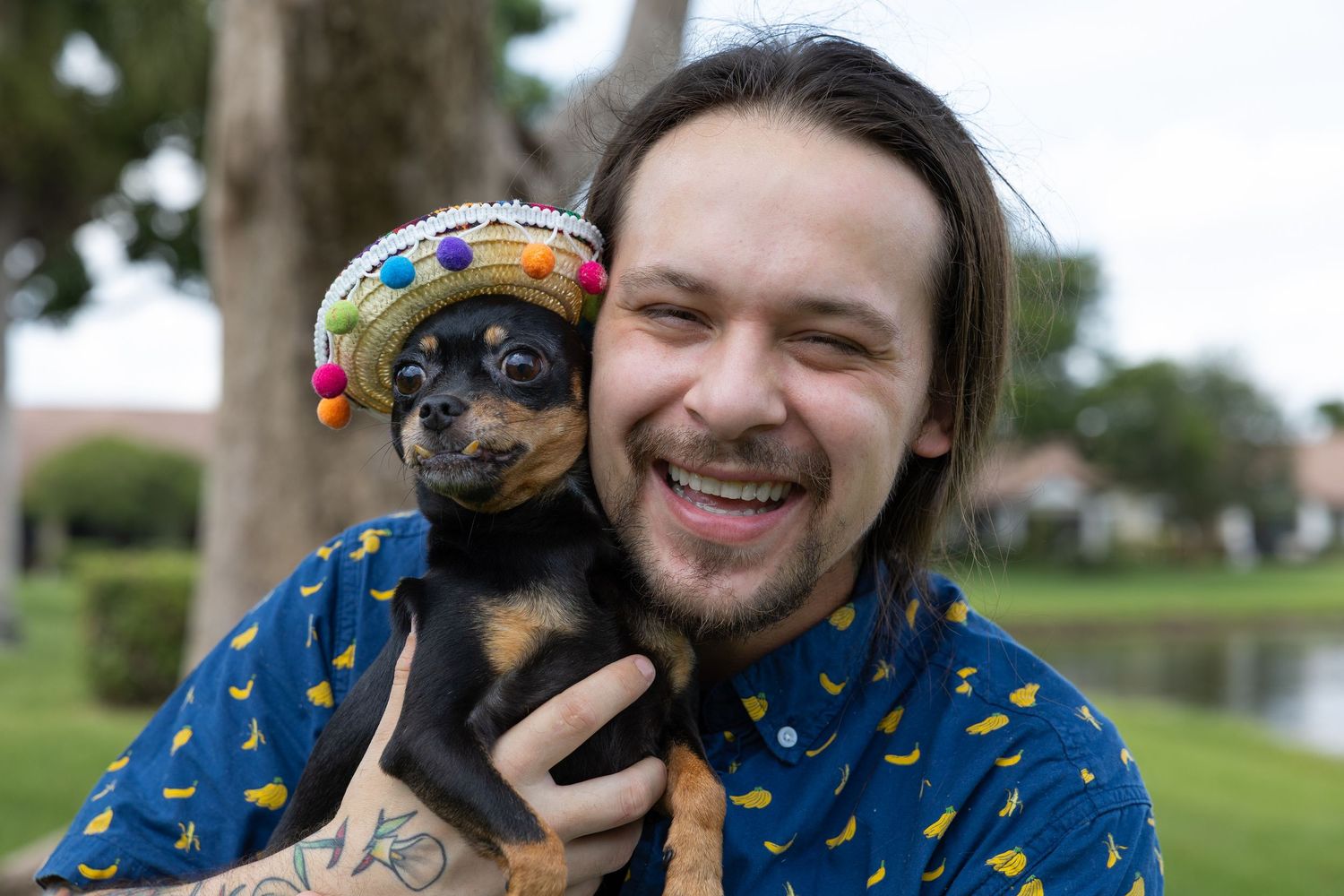
If your pet is part of the session, please do not stress about them being perfect. They do not need to sit still the entire time. Some of the best images come from movement, curiosity, play, and personality.
Before your session, give your pet a chance to use the bathroom, bring water, and pack treats or a favorite toy. If your dog knows basic commands, that is helpful, but not required.
Please keep pets leashed unless we are in a safe, approved area where off-leash moments are allowed.
The Most Important Thing
Come as you are.
Your session is meant to feel guided, relaxed, and personal. I’ll take care of the light, direction, posing, and small details so you can focus on being present.
The best images usually happen in the moments between trying too hard — the breath, the laugh, the glance, the reset, the real expression.
I can’t wait to create something meaningful with you.
Tell me what you want to remember.
Whether you’re ready to book or just have a few questions, I’d love to hear what you’re dreaming up. Tell me a little about the session you have in mind, who will be photographed, and any dates or locations you’re considering.